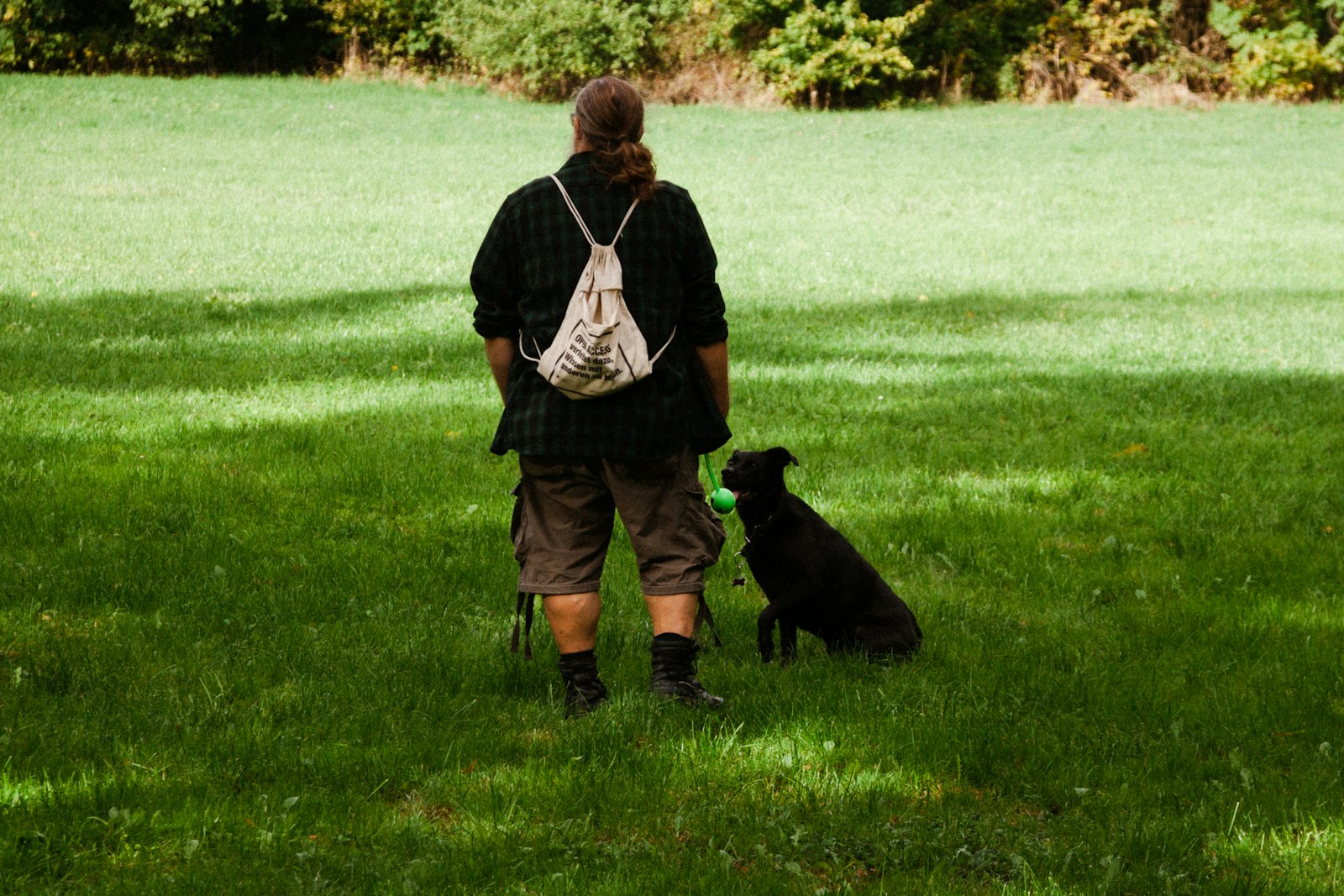
What a proper dog daycare intake and temperament test should look like
If you are comparing options for dog daycare in Antioch, one of the best signs is a careful intake process. A good daycare should want to learn about your dog before they ever join a group. That means more than collecting vaccination records. It means understanding your dog’s health history, behavior patterns, comfort around people and other dogs, and how they handle stress, excitement, and recovery.
For many owners, the phrase “temperament test” sounds a little nerve-racking. It helps to think of it less like a pass-or-fail exam and more like a safety assessment. A well-run daycare is trying to answer a few practical questions: Will this dog feel comfortable in a group setting? Can they handle the pace of daycare without getting overwhelmed? If they get overstimulated, can they settle again with support? And just as important, can the facility create a safe, manageable day for that dog and for everyone else in the room?
That is why a proper daycare intake process matters. It helps prevent bad fits, avoidable stress, and unsafe group situations before they start.
A good daycare intake starts before group play
A real intake usually begins before your dog ever enters a playgroup. You should expect paperwork, but not just basic forms. A thoughtful daycare will ask about vaccinations, medications, past injuries, medical conditions, age, energy level, and any policy-related questions about spay or neuter status.
Just as important, they should ask behavior questions that go beyond whether your dog is “friendly.” For example:
- Has your dog shown resource guarding?
- Do they struggle with separation distress?
- Do they get frustrated on leash?
- Are they sensitive about handling?
- Have they been in daycare before?
- How do they usually respond to unfamiliar dogs?
Those questions are not there to unfairly screen dogs out. They help staff understand what kind of environment your dog is most likely to handle well. A shy dog may still do great in daycare, but probably not if they are rushed into a noisy, high-energy room. A highly social dog may still need structure if they get overexcited fast. Good intake is about finding the right fit, not just filling spots.
What a proper dog daycare temperament test looks like
After the history comes observation. A proper dog daycare temperament test should be gradual. One major red flag is a facility that takes a brand-new dog and drops them straight into a large playgroup just to see what happens. That is not a real evaluation. It is a gamble.
A better assessment is paced. Staff may first watch how your dog enters the building, responds to unfamiliar people, tolerates gentle handling, and moves through a new environment. They are looking at body language, not just whether a dog shows obvious aggression.
Some dogs show stress in quieter ways. They may freeze, avoid eye contact, pant heavily, cling to the exit, or escalate quickly under mild pressure. Those signs matter. They may mean daycare is not the right fit yet, or that the dog needs a slower introduction and more support.
Safe introductions should happen in small steps
If a dog looks ready for the next stage, introductions should usually happen one dog at a time or in a very small, carefully chosen group. This is where experienced staff really matter. They are not just checking whether tails are wagging. They are watching for social skills.
They should be asking:
- Does the dog approach politely?
- Can they disengage when needed?
- Do they respect another dog’s signals?
- Do they become pushy, frantic, or fixated?
- Can they calm back down after excitement?
That last point matters a lot. Plenty of dogs get a little over-aroused in a new place. What matters is whether they can recover. A dog does not have to be perfectly calm every second. But they should be able to settle with guidance instead of spiraling upward.
Daycare assessments are not only about dog-to-dog behavior
A proper evaluation also looks at handling tolerance and environmental sensitivity. Daycare is not just about play. Dogs may need to be guided through gates, redirected away from rough play, leashed, cleaned up, or moved to a quieter area.
A dog can be socially friendly and still struggle in daycare if they panic during handling, react strongly to normal facility noise, or become defensive during routine management. That does not make them a bad dog. It simply means open-play daycare may be asking more of them than they can comfortably give.
Good facilities assess the individual dog, not the stereotype
Size, breed, and age should not decide the outcome by themselves. A doodle, terrier, retriever, or bully mix should all be assessed as individuals. Good daycare staff watch the actual dog in front of them.
They also understand that one short evaluation is only the beginning. The first few visits should function like an onboarding period, with continued monitoring as the dog settles in. That is often when a facility learns whether a dog is truly comfortable there or just managing the excitement of something new.
Staff should be able to explain the process clearly
A proper intake process should not feel mysterious. Staff should be able to explain what they look for, how they handle introductions, what behaviors concern them, and what happens if a dog is not ready for group daycare.
If the explanation is vague, that is worth noticing. “We just see if they play well” is not much of a process. Safe daycare depends on more than visible playfulness. It depends on reading stress signals, interrupting bad dynamics early, and knowing when a dog needs space.
Grouping matters just as much as the initial test
A dog daycare temperament test is only useful if the daycare uses that information well afterward. Dogs should not be grouped by size alone. Play style, confidence, age, and arousal level matter too.
A medium-sized adolescent who barrels into every interaction may not belong with softer older dogs, even if the sizes match. On the other hand, a confident small dog may do much better with calm, social dogs than with a room full of frantic tiny dogs. Good grouping is part of what keeps daycare safe and humane.
Why this matters for dog daycare in Antioch
For families looking at dog daycare in Antioch, this is especially worth keeping in mind because dogs here often live a mix of suburban and active lives. Some are used to neighborhood walks and quiet home routines. Others spend time in busier outdoor settings or local recreation areas like Contra Loma. That still does not mean they are automatically ready for daycare.
Daycare is its own environment. It involves enclosed group interaction, transitions, staff handling, background noise, and a level of stimulation that is different from a walk around the neighborhood or a casual outing near Rivertown. A thoughtful facility will understand that difference and avoid assuming every friendly dog wants the same kind of daycare day.
Red flags owners should watch for
There are a few warning signs that should make owners slow down.
- Instant approval with almost no questions
- A temperament test framed like a sales step instead of a safety step
- Promises that nearly every dog passes
- Vague answers about supervision, staff training, or group management
- No clear plan for rest breaks or decompression
A good daycare should be comfortable talking about dog-to-staff ratios, how rough play is interrupted, how dogs are given breaks, and what signs tell staff that a dog is becoming stressed. If they avoid those questions, that is useful information.
Rest and recovery are part of a safe daycare day
Many owners picture the ideal daycare day as nonstop play. In reality, endless stimulation can create problems fast. Dogs need breaks, downtime, and active supervision. A good assessment should help staff decide not only whether a dog can participate, but how much activity is appropriate, which group is best, and when that dog needs rest.
This is one of the clearest signs of a thoughtful daycare intake process. It shows the facility is paying attention to the dog’s full experience, not just whether they can be placed in a room with other dogs.
If a dog is not approved, that is not necessarily bad news
If your dog does not pass an assessment, that should not automatically feel like a judgment. Sometimes it means the daycare is being honest and responsible. Group daycare is not the best fit for every dog.
Some dogs do better with one-on-one care, structured playdates, training-based enrichment, or regular dog walking. A facility that gives you a clear explanation and a realistic recommendation is often more trustworthy than one that accepts every dog without hesitation.
The right intake process should build trust
The best way to think about a daycare intake and temperament test is as the beginning of a relationship. A good facility is not trying to flatter owners or speed dogs through the door. It is trying to understand each dog well enough to keep them safe and comfortable.
When a daycare asks careful questions, introduces dogs slowly, watches body language closely, and explains decisions clearly, it tells you something important. Your dog is being treated like an individual, not just another reservation.
That is what owners should look for in Antioch or anywhere else. A proper intake and temperament test should feel measured, professional, and centered on your dog’s real needs.